

When energy prices rise faster than school budgets, finding a reliable way to cut costs becomes essential. Many schools across the UK are turning to solar power, not just as a green initiative but as a strategic financial move. Installing solar panels can reduce long-term electricity costs and free up funds for teaching resources, maintenance, and student support.
You might question whether the upfront investment makes sense compared to the savings that follow. With government support, falling installation costs, and systems that can last 25 years or more, solar power can offer schools predictable energy expenses and measurable returns.
Exploring what solar truly costs, how much it can save, and whether it fits your school’s circumstances helps you understand if it’s a sound investment or not. The next sections break down these points clearly so you can make an informed decision.
Understanding the upfront cost of solar for schools

The upfront cost of solar for schools is likely to vary drastically based on the size of your school and other specific installation factors.
We’d suggest that the full package for design, including the panels themselves, installation/labour costs, and solar maintenance setup may cost anywhere from £10,000 for smaller systems on primary schools, all the way to around £100,000 for the largest high schools.
Talking to a professional school solar panel installer is the best way to understand exactly how much the cost of solar would be.
Talk to us about Solar for Schools
Request a call from one of our experts today and get a quote within the week
How much can schools save on energy bills with solar?
Installing solar panels can reduce your school’s electricity costs by up to half, depending on consumption levels and system size. Some schools report savings from £5,000 to £25,000 per year, while larger campuses or those integrating storage systems can cut annual energy expenses even further.
How to fund solar as a school
You can choose from several funding routes to install solar panels without placing strain on your school’s main budget. Government-backed schemes, such as those supported by Great British Energy, fund installations to help public institutions lower running costs and carbon emissions. Some grants cover part or all of the upfront cost, allowing you to repay through energy savings over time.
Community energy co-operatives offer another route. These partnerships let local investors fund installations and share returns, while your school benefits from discounted electricity rates. For example, groups like the Schools’ Energy Co-op manage large-scale projects and have helped schools collectively save hundreds of thousands of pounds annually.
If a grant or co-operative model isn’t suitable, power purchase agreements (PPAs) let private companies cover installation and maintenance costs. You agree to buy the generated electricity at a fixed, lower rate than your usual supplier, protecting your school from energy price fluctuations.
Further benefits of solar for schools
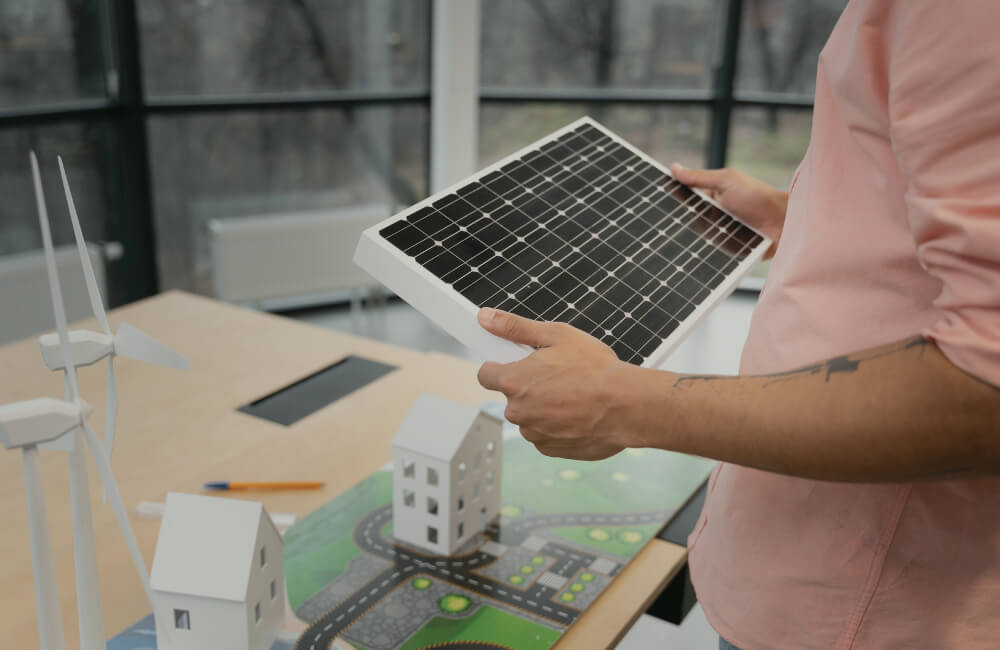
Solar installations provide more than financial savings. Generating your own electricity cuts reliance on the grid and reduces exposure to variable energy prices. Lower operating costs can free up funds for learning materials, technology, or facility improvements.
You also demonstrate a commitment to sustainability, which supports environmental education. Many schools use live solar data to show pupils how clean energy works in real time. This creates opportunities for science, technology, and geography lessons rooted in practical examples.
In addition, on-site generation can improve a school’s energy resilience. With battery storage, you can maintain power during outages and store excess electricity for later use, further improving efficiency across the year.
Are solar panels right for your school?
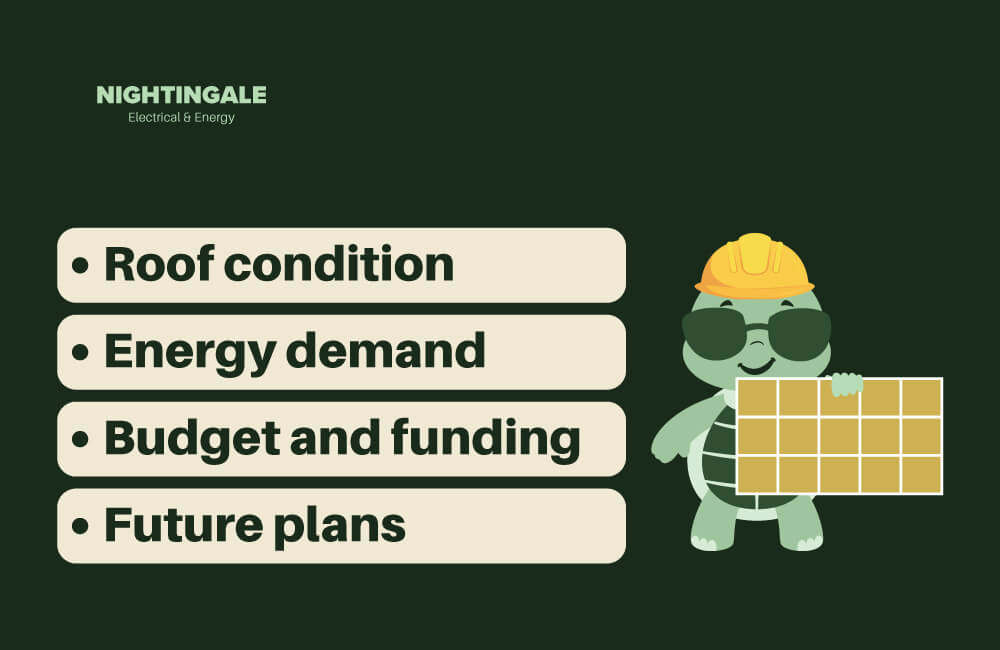
Deciding whether solar panels are a good fit depends on your school’s energy use, budget, and building layout. If your school has large, unshaded roof space and faces high electricity costs, installing solar panels can make financial sense. Many UK schools now use them to reduce reliance on the grid and improve energy resilience.
Key factors to consider:
Roof condition - Is your roof structurally sound and structurally sound with minimal shade?
Energy demand - Higher daytime use increases savings potential.
Budget and funding - Availability of grants, loans, or power purchase agreements.
Future plans - Consider how changes in school size or energy needs may affect returns.
You can choose to buy the system outright, lease it, or enter into an agreement where a solar provider owns the panels and sells you cheaper electricity. Each model affects ownership, maintenance responsibilities, and long-term benefits differently.
Solar can also support teaching goals by turning your grounds into an example of sustainability in action. Students can track generation data and learn about renewable energy through real figures from their own site.
Solar Installation for Schools
Request a call from one of our experts today and get a quote within the week