

Energy costs continue to strain school budgets, and pressure to cut carbon emissions keeps rising. Solar panels already help many schools lower bills, but you may wonder whether adding battery storage actually makes sense.
In most cases, you should consider solar battery storage if you want to increase self-consumption, protect against outages, and gain more control over when and how your school uses electricity. Batteries store surplus solar energy generated during the day and allow you to use it later, especially during peak tariff periods or power cuts.
You need to weigh how battery systems work, how much energy you use on site, the difference between solar-only and solar-plus-storage, and the costs involved.
How does solar battery storage work for schools?
You generate electricity through school rooftop solar panels during daylight hours. Your building uses this power first to run lighting, IT equipment, kitchens, and heating systems.
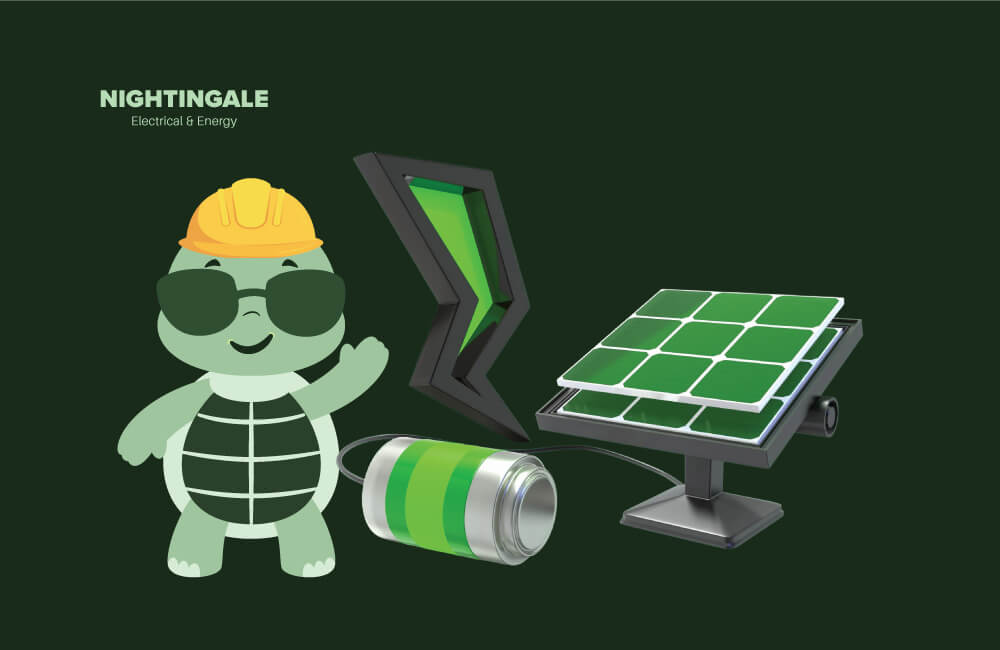
When your panels produce more electricity than you need, the excess flows into a battery storage system instead of exporting straight to the grid.
A solar battery stores this surplus energy as direct current (DC). An inverter then converts it into usable alternating current (AC) when your school needs it. You can use stored electricity:
In the late afternoon when solar output drops
During peak tariff periods
During grid interruptions, if your system includes backup capability
This setup increases your self-consumption of solar energy. Because schools operate mainly during the day, you already use much of what you generate, but a battery lets you extend that benefit beyond peak sunlight hours.
Most systems include energy management software. You can programme it to prioritise:
On-site consumption
Charging during low-tariff periods
Discharging during high-tariff periods
What is solar self-consumption and why does it matter?
Solar self-consumption means you use the electricity your solar panels generate on site, rather than exporting it to the grid. In a school, that power runs lighting, IT equipment, kitchens, and heating systems as it is produced. Only surplus electricity leaves the site or charges a battery.
This matters because grid electricity usually costs far more than exported solar earns. In many regions, export payments have fallen, while retail electricity prices remain high. Each kilowatt-hour you use on site typically delivers greater financial value than one you send to the grid.
Battery storage increases self-consumption by shifting excess daytime generation into the late afternoon or evening. That aligns well with after-school activities, cleaning schedules, and winter lighting demand.
Solar panels only vs solar with battery storage: What's the difference?
When you install solar panels only, your system generates electricity during daylight hours and supplies it directly to your school buildings. You use that power immediately, which reduces the electricity you import from the grid.
If your panels produce more than you need at that moment, the surplus exports to the grid. You may receive a Smart Export Guarantee (SEG) payment, but export rates are typically far lower than the price you pay to buy electricity.
The limitation is timing. Schools often use most of their electricity during the day, which suits solar generation, but after-school clubs, IT suites, catering equipment, and winter demand can extend usage beyond daylight hours.
When you add battery storage, you store surplus solar energy instead of exporting it. You then use that stored electricity later in the day or early evening.
This increases your on-site consumption and reduces reliance on higher-cost grid electricity.
When does battery storage make sense for a school?
Battery storage delivers the most value when your school cannot use all the solar power it generates during the day or when you face high peak electricity charges.
It also becomes practical when you need backup power for critical systems or plan to expand on-site electricity use.
How much does solar battery storage cost for a school?
You can expect solar battery storage for a school to cost significantly more than a typical home system. Residential batteries often range from £1,500 to £10,000, with an average around £5,000, but schools usually require larger and more complex systems.
For schools, costs depend on system size, capacity (kWh), and power output (kW). Commercial-scale battery storage can range from tens of thousands to several hundred thousand pounds, especially when integrated with an existing solar PV system.
Key factors that affect your costs include:
Battery capacity required to meet after-school or peak demand
Number of buildings connected to the system
Existing solar installation size
Installation complexity and electrical upgrades
Energy management software and controls
The best way to understand how much solar battery storage will cost for your school is to get in touch with us at Nightingale Energy for a bespoke quote and a breakdown of costs and potential savings.
What should schools consider when choosing a battery system?
Start with your energy profile. Review half-hourly consumption data, peak demand charges, and how much surplus solar you export during the day.
A battery should match your load patterns, not just your roof size. If most usage occurs during school hours, you may prioritise peak shaving over overnight storage.
Focus on the following technical factors:
Capacity (kWh): How much energy the battery can store.
Power rating (kW): How quickly it can charge or discharge.
Round‑trip efficiency: The percentage of stored energy you can use.
Warranty and lifespan: Typically measured in years or charge cycles.
Integration: Compatibility with existing solar PV and inverters.
Assess whether you need backup power. Not all systems provide seamless supply during outages, and additional hardware may be required.
Adding battery storage to your school's solar installation
Add battery storage to your school’s solar installation (or get it all installed together) with Nightingale Energy. Get in touch with us for a bespoke quote or just to learn more about what solar and battery can do for your school.
Find Out More About Solar Battery Storage for Schools
Request a call from one of our experts today and get a quote within the week