

If you’ve got battery storage installed, the tariff you’re on matters almost as much as the battery itself. Force charging overnight on a cheap rate and using that stored power during the day is one of the simplest ways to cut your electricity bill, and it becomes especially valuable in winter, when evening demand and costs peak.
Economy 7 is the most established way to do this. Here’s how it works, what it’s likely to save you, and when a newer tariff might suit your battery better.
What is Economy 7?
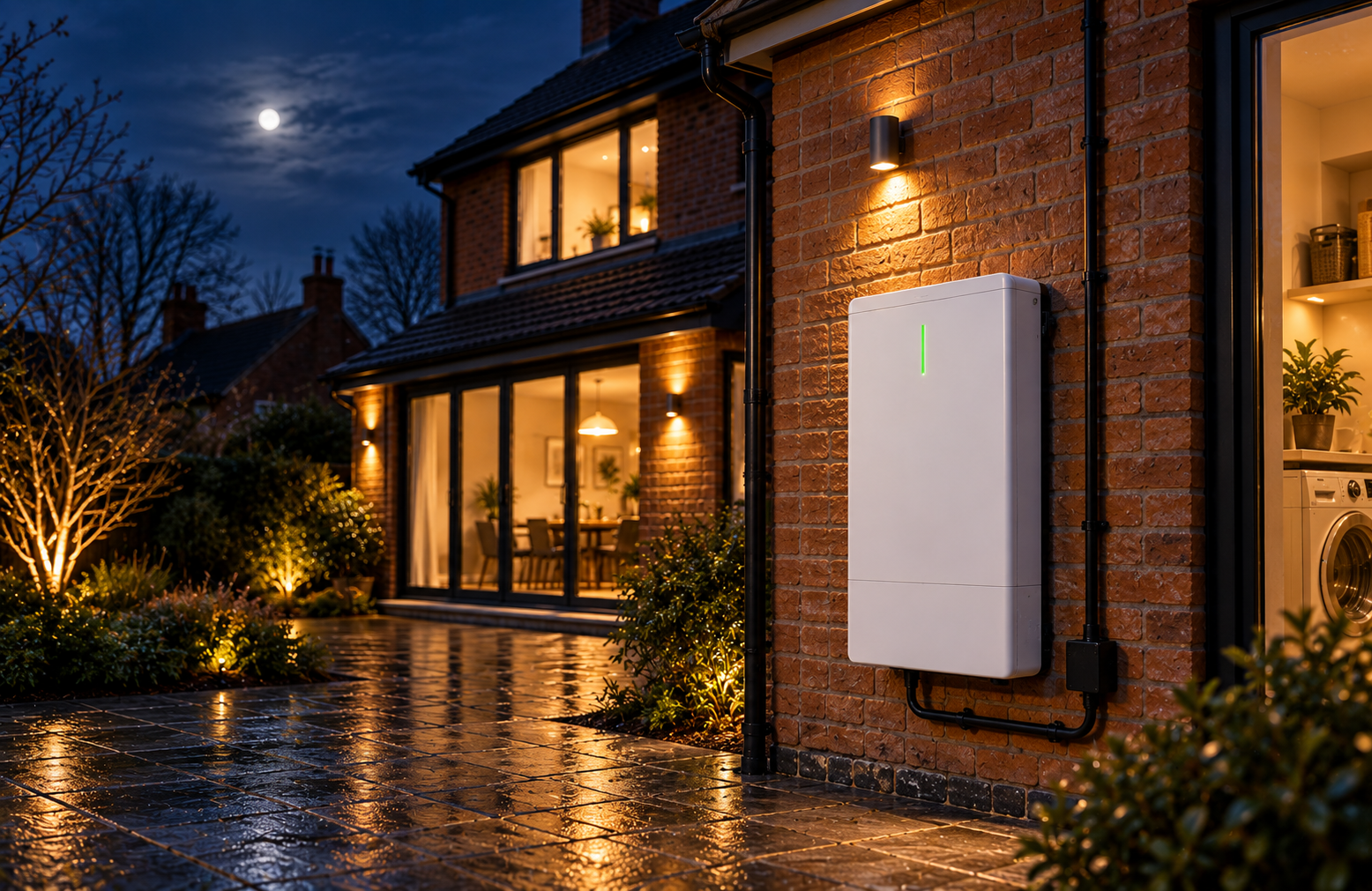
Economy 7 is a UK electricity tariff that gives you around seven hours of cheaper electricity overnight, alongside a higher rate during the day. It’s been around for decades, originally designed for storage heaters, and it needs a special meter (or a smart meter set up the right way) that records day and night usage separately.
Unlike some of the newer smart tariffs, Economy 7 doesn’t require an electric vehicle or any specific equipment. You just need to be able to shift usage, in this case charging your battery, into the cheap window.
Economy 7 rates: what you’ll actually pay
Economy 7 rates vary by supplier and region, but the shape is fairly consistent. Under the current Ofgem price cap, day rates typically run from around 29p to 34p per kWh, while the night rate falls to somewhere between 10p and 18p per kWh.
Compare that to a standard single-rate tariff, currently capped at around 26p per kWh, and the gap is clear. Night electricity on Economy 7 can cost under half what you’d pay on a standard tariff, though electricity during the day usually costs a little more than the standard rate. Standing charges are broadly similar either way, so they don’t tend to swing the decision.
Whether Economy 7 saves you money overall depends on how much of your usage happens overnight. Ofgem based estimates suggest a household shifting around 42% of its usage into the off-peak window could save roughly £63 a year compared to a standard tariff, while a household only managing 10% overnight could end up around £140 worse off. That’s the figure that matters for battery storage.
A battery that reliably charges overnight and covers most of your daytime use from stored power pushes your effective off-peak percentage far higher than a typical Economy 7 household without one, which is why the tariff tends to make more sense once you’ve got a battery than before.
Rates shift regularly, so it’s worth checking your own supplier’s current day and night rates before switching, rather than relying on averages.
Economy 7 off-peak hours
There’s no single national Economy 7 window. Your seven-hour off-peak period is set by your regional network operator, not your supplier, so it varies depending on where you live. Typical windows include:
00:30 to 07:30 (common in the North East, Yorkshire and North West)
23:30 to 06:30 (common in Southern England)
Between 22:00 and 08:30 (parts of the South West and Scotland)
Some meters split the seven hours into two shorter blocks rather than one continuous stretch. The only way to know your exact times is to check your bill, your online account, or ask your supplier directly, then set your battery’s charge schedule to match.
Is Economy 7 worth it for battery storage?
For most battery storage owners, yes, provided the battery is doing the work of shifting your usage. Off-peak rates on Economy 7 are typically well below the daytime rate, and a battery lets you fill up cheaply overnight and run the house from stored power the next day, rather than needing to actually use appliances at 2am.
The saving comes from how much of your daily usage you can cover from the battery, not from the tariff alone, so it’s worth checking your battery’s usable capacity against your typical daily consumption before switching.
If you’re weighing up which battery to go for, our Tesla Powerwall 3 review and Duracell solar battery review both cover usable capacity in more detail.
The main catch is the daytime rate on Economy 7 is usually a little higher than a standard single-rate tariff, so if your battery is undersized or something stops it charging fully overnight, you can end up paying more for daytime electricity than you would otherwise. This is less of a concern once the battery is charging reliably.
Alternatives to Economy 7
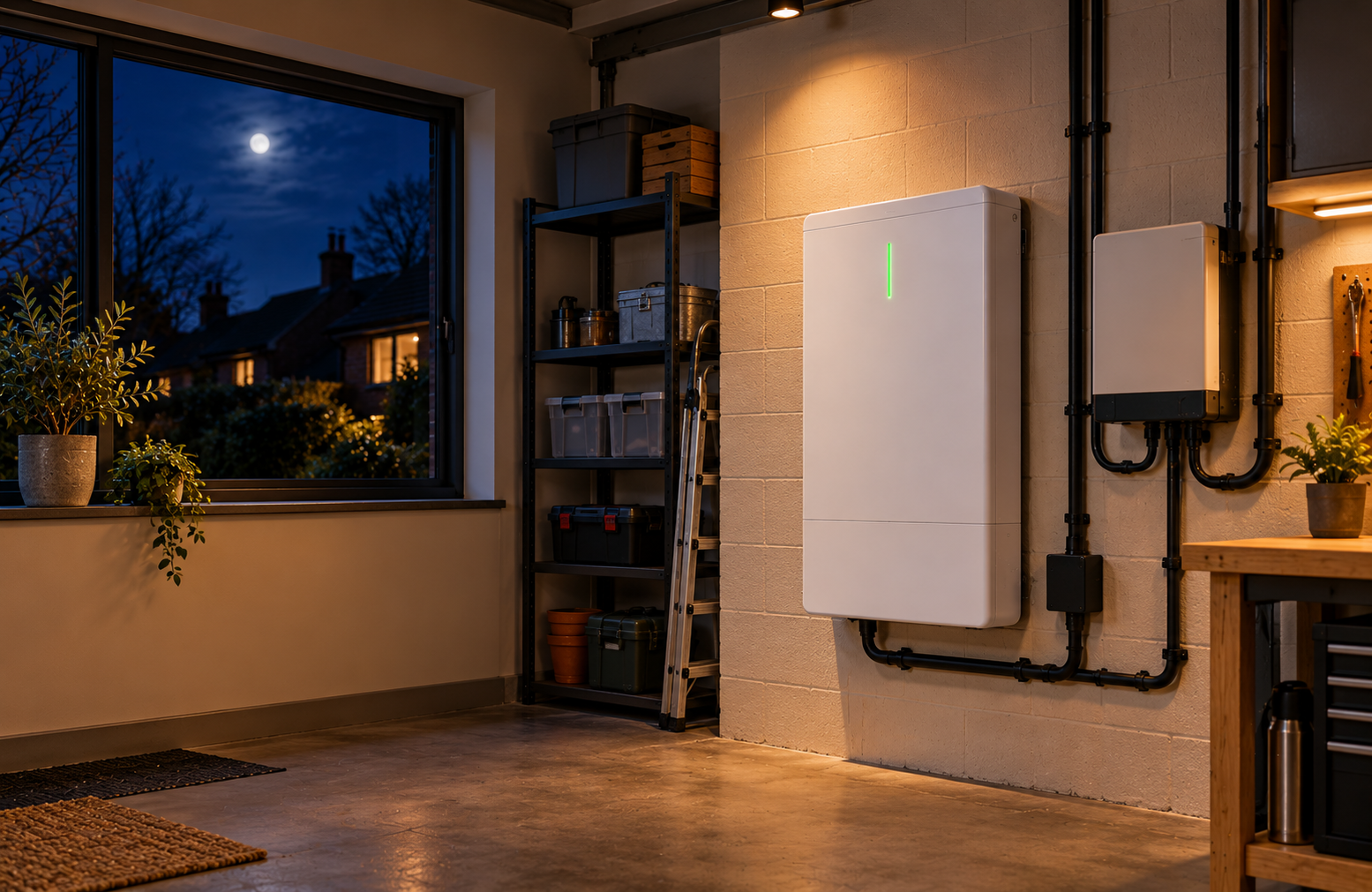
Economy 7 isn’t the only off-peak option, and depending on your setup, another tariff might suit your battery better.
Octopus Flux is built specifically for solar and battery owners, no EV required. It offers a three-hour super off-peak window (typically 2am to 5am) for cheap charging, plus a peak window in early evening (typically 4pm to 7pm) where exporting stored power back to the grid pays more. It suits households happy to manually schedule charging and discharging around those windows.
Tariffs like Intelligent Octopus Go, Octopus Go, SO Energy’s SO EV and E.ON Next Drive offer some of the cheapest off-peak rates around, sometimes under 10p/kWh, with off-peak windows of five to seven hours overnight. The catch for battery-only households: most of these require you to have an electric vehicle to qualify, since they’re built around EV charging rather than battery storage specifically. Worth checking eligibility with the supplier directly if you don’t drive an EV.
Setting up force charging
Once you know your off-peak hours, the last step is telling your battery to actually use them:
Find your battery’s charge scheduling settings, usually in the installer’s app or the inverter’s own interface. Whether you’ve gone with a Tesla Powerwall 3 or a Duracell battery, this is normally a few taps away.
Set a forced charge window matching your tariff’s off-peak hours.
Leave normal solar charging and discharging rules running the rest of the day, so the battery still tops up from any solar generation and discharges to cover peak-time usage.
Recheck the schedule after clocks change or if you switch tariff, since off-peak windows can shift.
This becomes especially valuable in winter, when there’s less solar generation to lean on and evening electricity demand and costs peak. See our guide on whether battery storage is worth it this winter for the full picture.
Get help choosing the right tariff and battery setup
Every home’s usage pattern, tariff options and battery setup are a little different, so the right choice isn’t always obvious from a guide alone. If you’re installing battery storage in Bolton or across the North West and want help getting the tariff and charge schedule right from day one, get in touch with Nightingale Energy and we’ll recommend a setup that actually pays for itself.
Get in Touch for Battery Storage
Request a call from one of our experts today and get a quote within the week